
Short answer: prepare a session before mixing and the mix starts hours earlier. Clean noise and clicks, fade every edit, name every track descriptively, group into busses, and check that nothing clips. It is unglamorous work, and it is the difference between an engineer making decisions and an engineer doing admin.
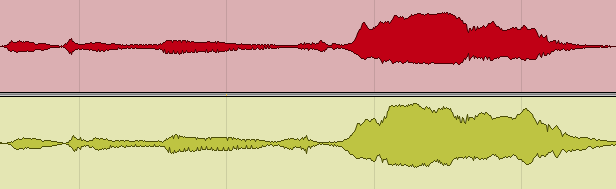
After the recording process is done, you should prepare your session before mixing. Usually, multitrack have a lot of background noise, hiss on pauses, clicks, or pops.
So first of all, you should clean the whole session from these things.
Just cut everything and make nice fade ins and fade outs.
Then you should organize your session, and name all files correctly.
Create midi notes for kick and snare, so then you can put some triggers on it. Also, you should recreate bass in midi. Sometimes it’s better to add some sub synth rather than boosting EQ. Here we are also replacing some broken stems, or just adding the right triggers to help the overall sound. Sometimes it’s needed where mixing can’t fix some recording issues. Also, in most cases it helps to make better results with your song.
The next thing are vocals.
Vocals should be prepared for mixing perfectly, because usually it’s the most complex element of the song (huge dynamic and note range). You should place every breath on a separate track, so the mix engineer can control the level of it after compressing. Then it needs to be time corrected (each background vocal with lead, etc.). Then in some cases, vocals should be tune corrected.
Usually, Auto-Tune works well, but there are some cases where Manual Vocal Editing is needed. It can be music with complex vocal parts, and it needs gentle correction, or just mistakes which autotune can’t fix, or because it sounds bad with autotune. We can do these things for you, and it is called Upgrade Mixing and Mastering.
Our creative analysis and arrangement will help to reach the highest level of music production.
| Step | What to do | Why it saves time |
|---|---|---|
| Clean | Cut noise, hiss, clicks and pops; fade every edit. | Problems found during mixing cost far more to fix. |
| Name tracks | “Kick”, “Lead_Verse”, “Gtr_1_Dry” — never “Audio_07”. | On an 80-track session this alone saves an hour. |
| Consolidate | One region per part, all starting from bar 1. | Everything lines up without alignment work. |
| Group | Busses for drums, guitars, vocals, effects. | Makes broad moves possible in one place. |
| Colour-code | A colour per instrument group. | Navigation stops being a search. |
| Check levels | Nothing clipping, peaks around -6 dBFS. | Headroom is what the mix is built in. |
| Bypass master bus | Remove limiters before exporting. | Anything on the 2-bus prints onto every stem. |
Exporting this session for a mix? Send it to us instead of fighting it yourself: professional mixing and mastering from $133 per song, 2–3 days per song, 6 revision rounds included. Full prices are on the pricing page.
Session preparation FAQ
Why does session preparation matter?
Because it determines whether the engineer spends the first hour making decisions or doing admin. On a large session, good preparation is the difference between mixing today and mixing tomorrow.
How should I name tracks?
Descriptively and consistently — “Kick”, “Snare_Top”, “Lead_Chorus”, “Gtr_1_Dry”. Default names like “Audio_07” force someone to solo every track to work out what it is.
Should I consolidate regions?
Yes. One region per part, all starting from the same point, so the whole set drops in aligned. See our export guides for the full delivery spec.
Should I remove my rough mix processing?
Remove master bus limiting, keep processing that is part of the sound. If an effect is integral — an amp sim, a tuned delay — send both a dry and a wet version.
How loud should the session be?
Peaks around -6 dBFS with nothing clipping. Headroom is what the mix gets built in, and clipped material cannot be repaired later.
Does preparation affect the price of mixing?
It affects the time, and time is what you are paying for. A tidy 80-track session often moves faster than a disorganised 20-track one.
Send us a song you are working on
A rough demo is fine — it does not need to be mixed. A named engineer listens on studio monitors and writes back exactly what is holding the track back, and what to do about it.
- Usually within two working days
- No card, no obligation
- 11,000+ projects behind the answer
Order Complete Mixing and Mastering What it includes All prices